
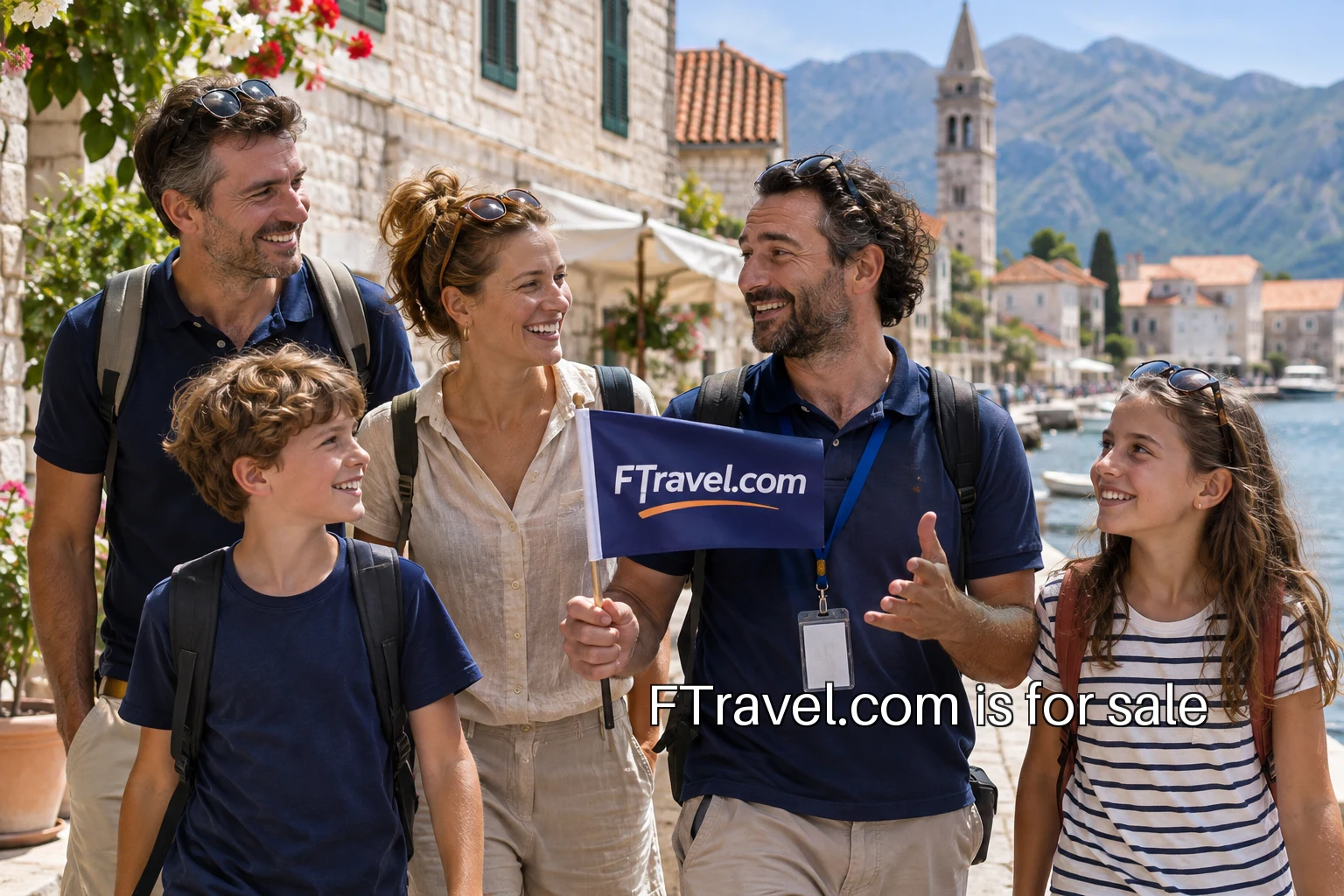
Start with the family, then choose the trip
A family planning service on FTravel.com could begin with a problem that destination lists rarely solve: several people want different things from the same week away. One person wants an active day, another needs rest, and the person organizing everything wants to stop comparing tabs. The first useful product is a shared brief that makes those differences visible before anyone falls in love with an unsuitable hotel. This is an illustrative business concept for a future buyer of the domain.
The customer could be the adult carrying the planning work for a family or a multigenerational group. The service would help that person gather preferences and turn them into a limited set of realistic choices. Its value would come from the quality of the questions, the care of the recommendations and a clear handoff. FTravel.com gives that founder a travel identity broad enough to carry planning support as the offer develops.
Define a first offer people can understand
A manageable launch would be a planning package for one region or type of trip. The package might include a short intake call, a written brief, two possible itinerary directions and one revision. A founder would state what the package covers, how recommendations are researched and where the customer's own booking responsibilities begin. The first offer needs enough structure that both sides can tell when the work is complete.
A useful brief would ask about travel dates, departure points, walking tolerance, room arrangements, meal preferences, rest periods and the group's priorities. Ask for constraints before collecting wish lists. Someone may love the idea of a hill town while being unable to manage repeated steep walks. Someone else may need a separate sleeping space more than a particular view. These details should influence the shortlist at the beginning.
Work through one family example
Consider an illustrative group of two adults, two children and a grandparent taking a week away. The adults want a little time together, the children want daily swimming, and the grandparent prefers a quiet morning. The service could propose one base near simple local activities, leaving several afternoons open. A trip with fewer hotel changes may fit the group better than a route covering many famous stops.
The written plan should show the reasoning. Explain why the base was chosen, what makes the room arrangement suitable, which activities require advance arrangements and where the schedule has room to change. An alternate rainy-day plan can be short and nearby. The deliverable is a trip the organizer can discuss with the family, rather than a beautiful document that hides the practical decisions.
Keep the family involved at the right moments
An intake questionnaire can become tiring if every person is asked to rank everything. A better starting point is one essential request from each traveller, followed by a short list of nonnegotiable constraints. The organizer can then review a single draft brief with everyone. That provides a moment to correct misunderstandings before the planner spends time building the itinerary.
The founder should decide who can approve changes. In a large family, different relatives may send conflicting messages on separate channels. One nominated contact and one shared version of the brief keep the process legible. A dated summary after each decision also makes it easier to see what changed. The service can still welcome input while maintaining a clear route to a finished plan.
Build an operation around careful research
The planning team would need a repeatable method for checking accommodation details, transport options and the suitability of proposed activities. A room description is not enough to establish access arrangements or the availability of a particular feature. Questions that matter to the family should be confirmed with the relevant provider. Record when a detail was checked, who supplied it and which uncertainties remain for the customer to resolve.
Official travel information belongs in the process as well. A planner serving US travellers can point customers to the US Department of State's traveller checklist for document and preparation questions. Keep the service's planning recommendations distinct from official entry or safety advice, and direct travellers to current official guidance for their own circumstances.
Find the first customers through a useful planning tool
One credible way to introduce the service is a free family trip brief that helps an organizer hold a better conversation. The tool could be distributed through a focused newsletter or a partnership with a relevant family community. It should solve a small problem on its own: gathering everyone's essential needs on one page. The paid planning offer can then explain the additional research and judgment involved.
Useful editorial material might show how to choose one base, compare room layouts or leave space between activities. Each piece should lead naturally to the same service rather than attract an unrelated audience. A founder could also invite feedback on the brief from a small group of prospective customers before extending the offer. The questions people struggle to answer are valuable clues for improving the intake.
Choose a clear boundary for the service
A founder must decide whether the business provides research, makes reservations, packages travel or works with an established operator. Those models involve different responsibilities and should be reviewed with appropriate professional advice for the markets served. The initial service can stay focused while those decisions are made. Clear terms, honest deliverables and a realistic workload are part of designing the offer.
The family concept gives FTravel.com a specific starting point: one shared brief, a considered plan and a recognizable signature across the work. A buyer could begin in a narrow region and expand as the planning method becomes more useful. To discuss acquiring the domain for this direction, send an inquiry describing the families you want to serve and the first planning problem you intend to solve.
A travel identity for your own direction
Discuss acquiring FTravel.com for the business you want to build.
Send Inquiry